CNA Post Mortem Care: Step-by-Step Guide for Nurse Aides
Published September 25, 2026
Post mortem care is one of the most sensitive skills a CNA performs. It is the care given to a resident's body after death, and it must be done with dignity, respect, and attention to infection control. While it may feel uncomfortable at first, understanding the steps and the reasoning behind them will help you provide compassionate care and pass your skills exam with confidence.
What Is Post Mortem Care?
Post mortem care refers to the preparation of a deceased resident's body for viewing by family or transfer to the morgue or funeral home. As a CNA, you may be asked to assist the nurse with this procedure. Your role includes positioning the body, cleaning and covering it, and ensuring the room is respectful for family members who may wish to say goodbye. It is not about performing medical tasks, those are handled by the nurse, but about providing comfort to the family and maintaining the resident's dignity after death.
Key Steps in CNA Post Mortem Care
While exact protocols vary by facility and state, the following steps are commonly expected. Always follow your facility's policy and the nurse's instructions.
1. Confirm Death and Gather Supplies
Only a licensed nurse or physician can pronounce death. Once that is done, the nurse will direct you. Gather needed supplies: gloves, gown, disposable pads, a washcloth, and a shroud or clean sheet. Put on personal protective equipment (PPE) before entering the room.
2. Position the Body
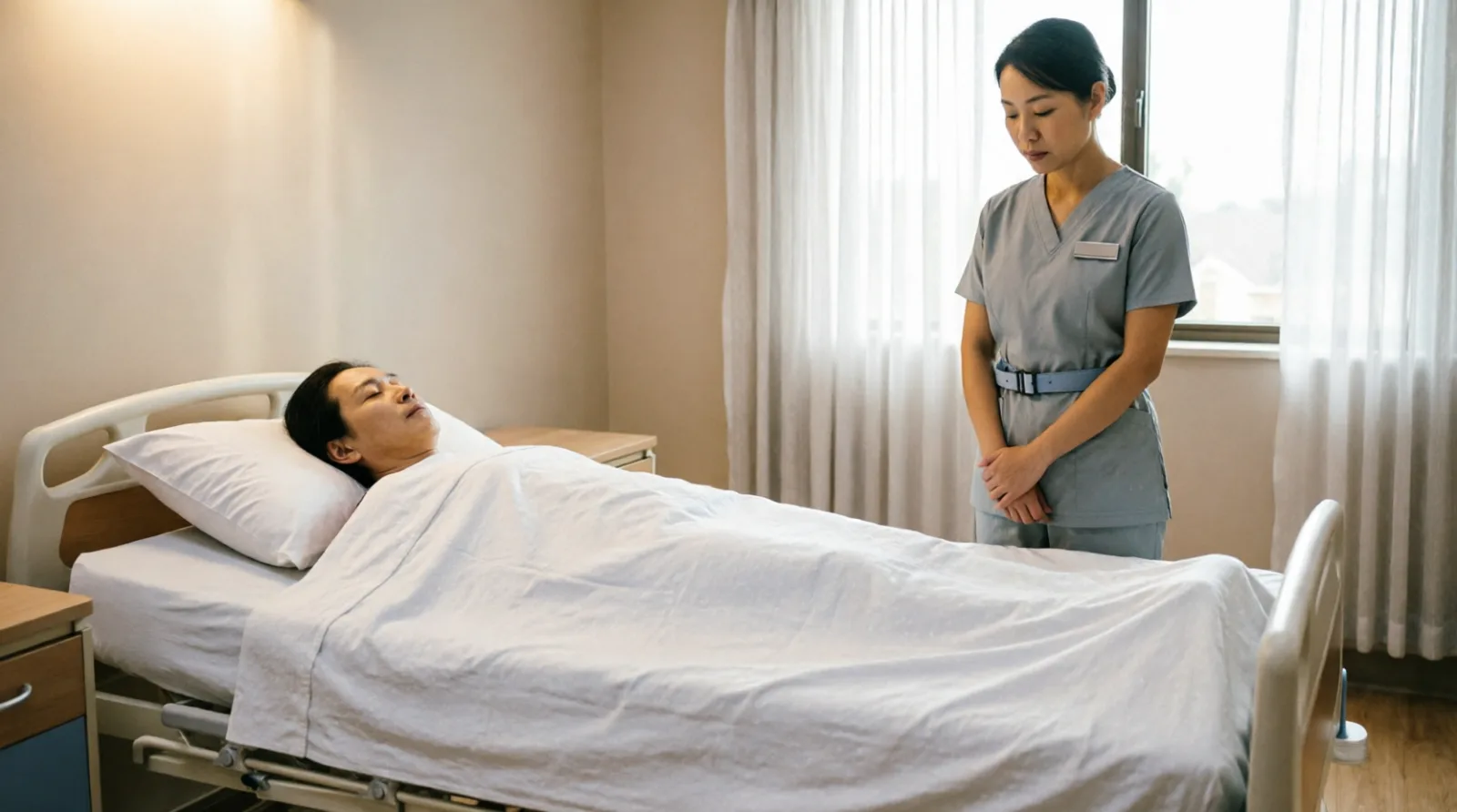
Place the resident flat on their back with arms at the sides or across the abdomen. Place a pillow under the head to keep the mouth closed and prevent discoloration. Straighten the legs and place a small roll under the chin if needed to keep the mouth closed. This positioning helps the body appear natural for viewing.
3. Clean and Cover
Wash soiled areas with a washcloth and warm water. If the resident was incontinent, clean thoroughly and apply a disposable pad. Replace any soiled linens. Cover the body with a clean sheet up to the chin, leaving the face and head exposed for family viewing. Some facilities use a shroud for transfer; follow your facility's protocol.
4. Respect Cultural and Religious Practices
Different cultures and religions have specific rituals after death. For example, some faiths require the body to be positioned in a certain way or require same-sex caregivers. Always ask the nurse or family if there are special requests, and honor them whenever possible. This is a key part of psychosocial care skills that you may be tested on.
5. Prepare the Room
Remove unnecessary equipment, dim the lights, and provide chairs for family. Open a window if possible to allow fresh air. Ensure the room is tidy and private. Family may want time alone with the deceased; give them space and check on them periodically.
6. Documentation
Document the care you provided, the time, and any unusual findings (e.g., skin breakdown, wounds). Note who was present and when the family arrived. Accurate documentation is essential and is a common topic on the written exam. For more practice, see our documentation questions and answers.
Infection Control and Safety
Standard precautions apply after death. Wear gloves and a gown when handling the body, especially if there are bodily fluids. Wash your hands thoroughly after removing PPE. Place soiled linens in the appropriate laundry bag and dispose of disposable items in a biohazard container. Post mortem care is a good time to review infection control exam tips to ensure you are following best practices.
What You Need to Know for the CNA Exam
On the skills test, you may be asked to demonstrate post mortem care. Evaluators look for dignity, privacy, and proper technique. Common mistakes include forgetting to wear gloves, not covering the body appropriately, and failing to communicate with the family. Remember to explain each step as you perform it, just as you would with a living resident. If you need a refresher on the steps, our CNA skills test practice PDF can help you review.
Emotional Support for the CNA
Dealing with death can be emotionally challenging. It is normal to feel sad or uneasy. Talk to your supervisor or a trusted colleague if you need support. Many facilities offer employee assistance programs. Taking care of yourself allows you to continue providing compassionate care to living residents.
Frequently Asked Questions
Can a CNA perform post mortem care alone?
In most facilities, a nurse supervises or assists, but CNAs often perform the hands-on care. Always follow your facility's policy and your scope of practice.
What is the most important part of post mortem care?
Maintaining the resident's dignity and respecting the family's wishes. Treat the body with the same respect you would a living person.
Do I need to document post mortem care?
Yes, documentation is required. Record the time, care provided, and any observations. This is a legal record.
For more detailed guidance on end-of-life care and other clinical skills, explore our CNA study guides and exam tips. You can also find answers to common certification questions in our FAQs.